
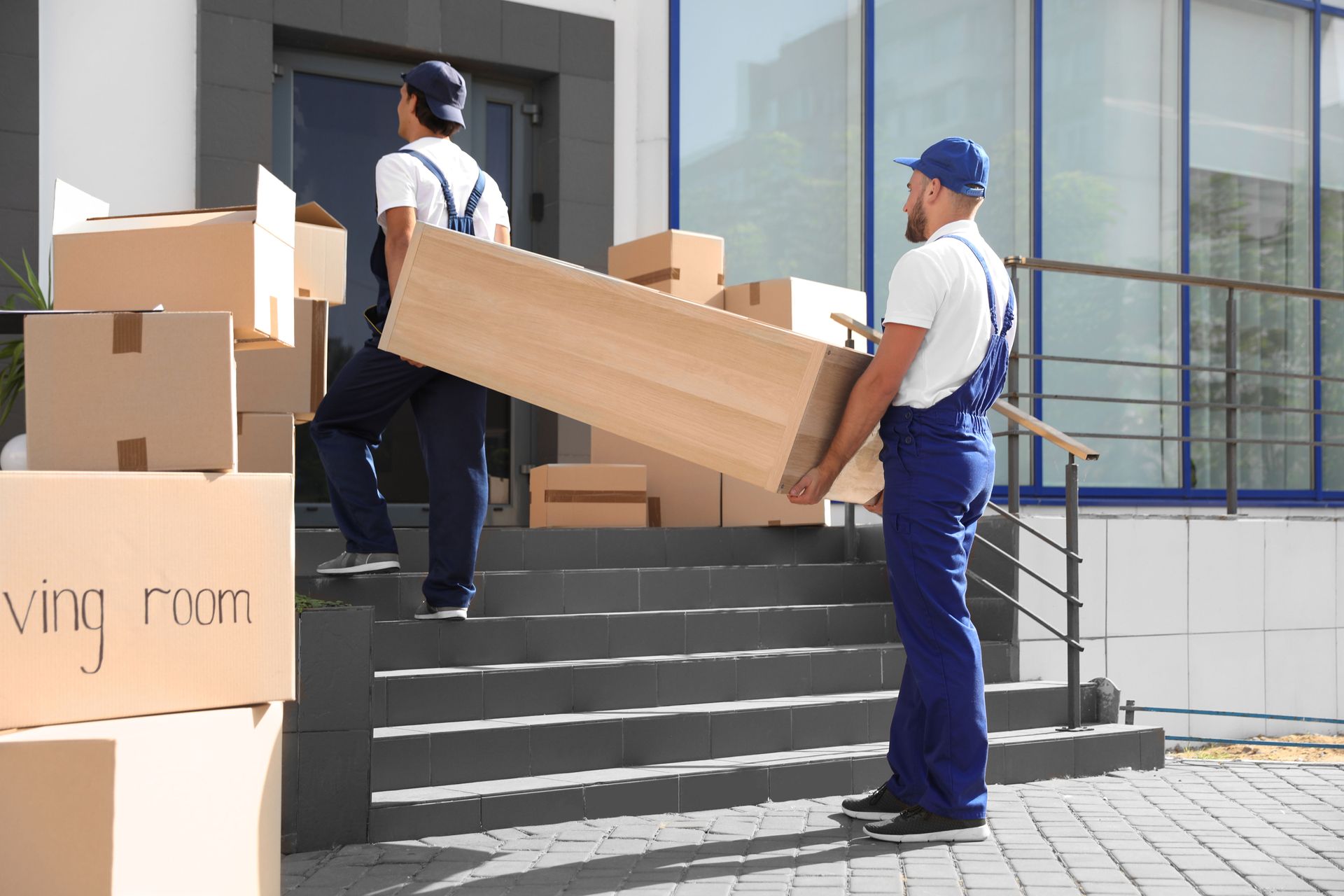
Get your home ready for a smooth relocation! Discover simple pre-move prep tips to make working with your moving service fast, easy, and stress-free.
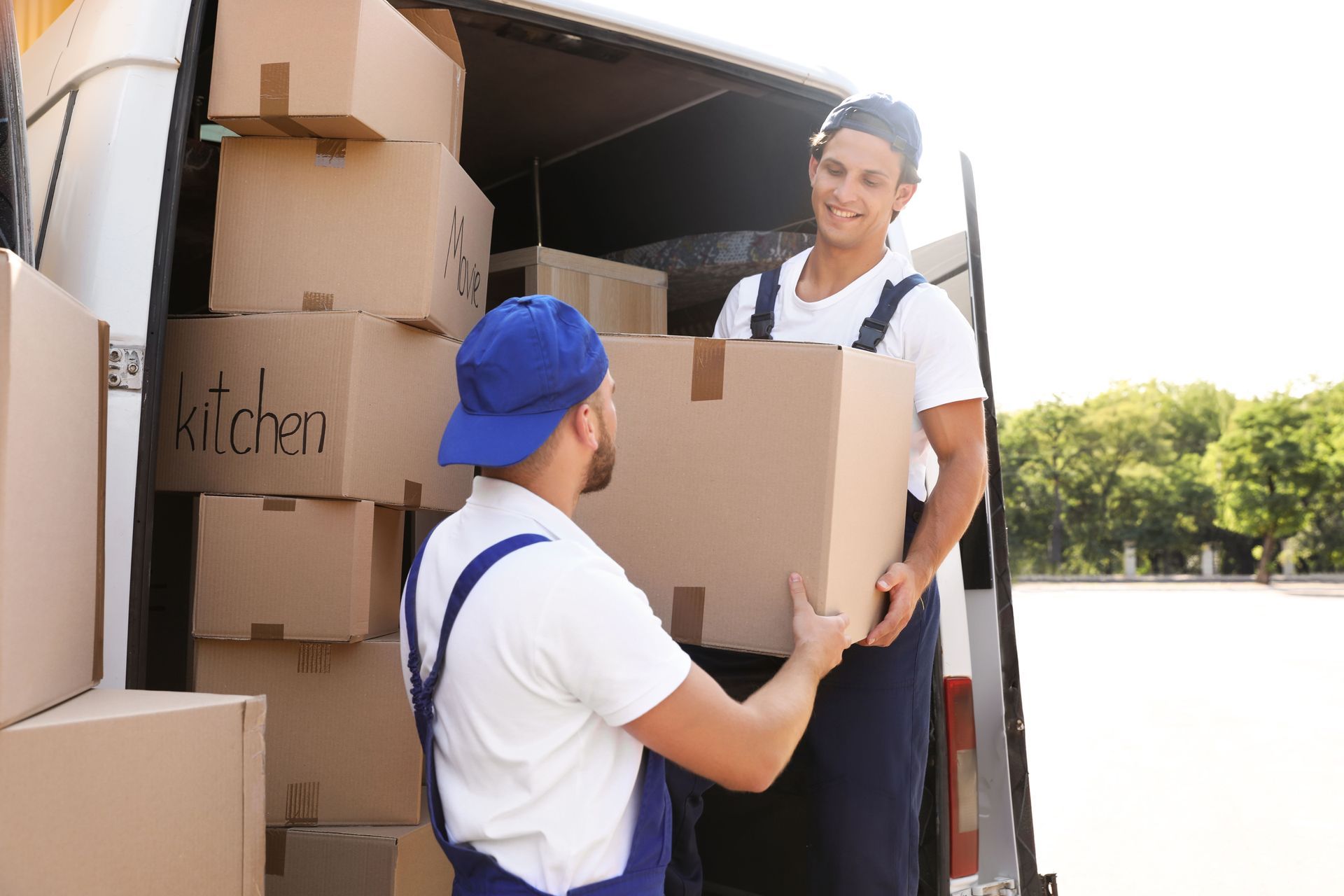
Unsure how to choose the right moving company for your next relocation? Learn what essential factors to review, from licensing to transparent pricing.
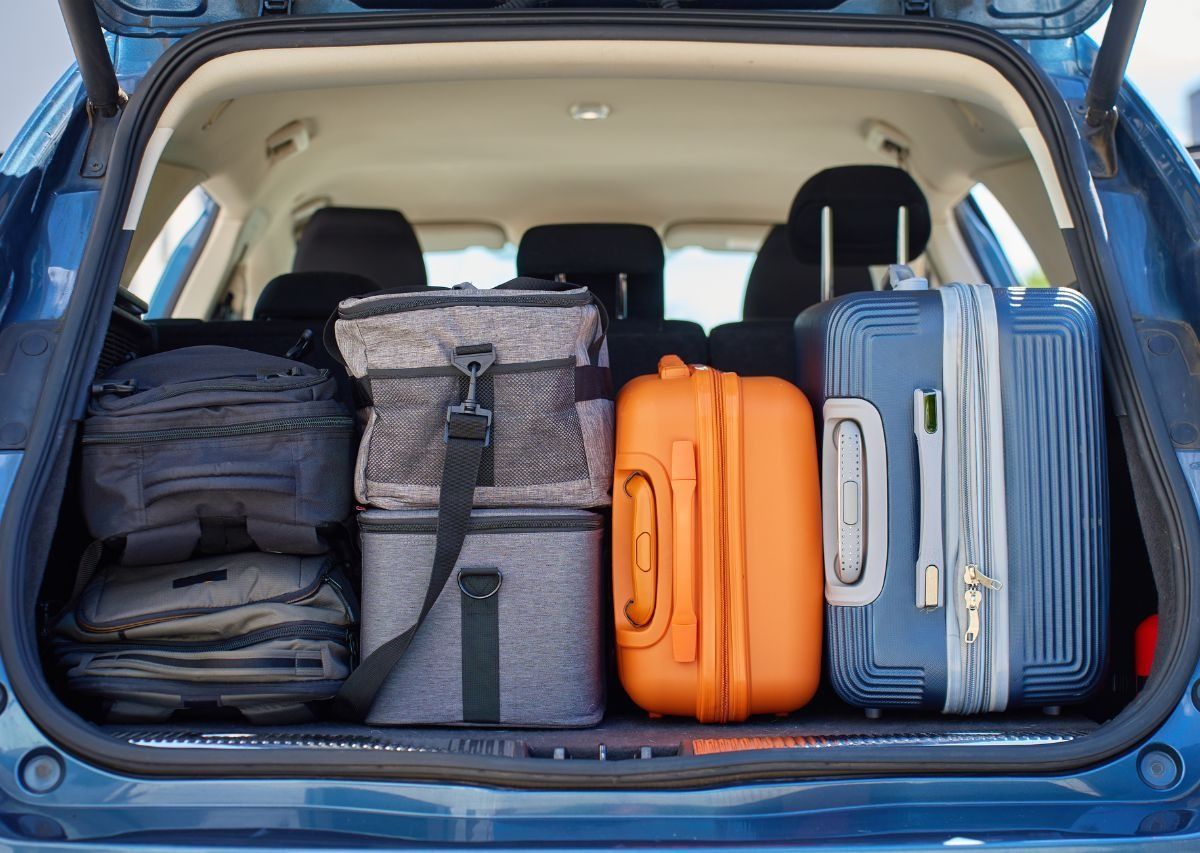
Packing a suitcase may seem simple, but doing it incorrectly can lead to wrinkled clothes, broken items, excess baggage fees, and unnecessary stress during travel. Whether you are preparing for a weekend getaway, a business trip, or a long vacation, knowing how to pack a suitcase properly helps you stay organized and travel comfortably. This guide walks you through proven packing strategies that save space, protect your belongings, and keep everything easy to access. With the right preparation and packing method, you can avoid overpacking while still bringing everything you need. Many of the same principles used by professional moving and packing services apply to travel packing as well—planning, organization, and protection. Start With a Packing Plan Before opening your suitcase, take time to plan what you will bring. Start by checking your destination, length of stay, activities, and weather conditions. A clear plan prevents unnecessary items from ending up in your luggage. Create a checklist that includes clothing, toiletries, documents, electronics, and personal essentials. Laying out everything before packing helps you see what you truly need and what can be left behind. This step alone reduces clutter and keeps your suitcase lighter and more organized. Choose the Right Suitcase Size The size of your suitcase matters more than most people realize. A suitcase that is too large encourages overpacking, while one that is too small forces poor organization. For short trips, a carry on sized suitcase is often enough when packed correctly. Longer trips may require a medium or large suitcase, but even then, proper space management is essential. Hard shell suitcases offer better protection for fragile items, while soft sided luggage allows flexibility and extra pockets for organization. Use Packing Cubes for Organization Packing cubes are one of the most effective tools for suitcase organization. They separate clothing by category, making it easier to find items without unpacking everything. Use one cube for tops, another for bottoms, and a smaller cube for underwear and socks. Packing cubes also compress clothing slightly, creating more space. When you arrive at your destination, you can place the cubes directly into drawers, saving time and keeping everything tidy throughout your trip. Roll Clothes Instead of Folding Rolling clothes is a proven technique for saving space and reducing wrinkles. T shirts, jeans, casual dresses, and workout clothes roll well and fit neatly into packing cubes or suitcase corners. Place heavier rolled items at the bottom of the suitcase near the wheels to maintain balance. More structured items such as blazers or dress shirts can be folded carefully and placed on top. Combining rolling and folding ensures efficient use of space while protecting delicate fabrics. Layer Items Strategically Layering items inside your suitcase provides structure and protection. Start with shoes at the bottom, placing them sole to shell. Use shoe bags or shower caps to keep dirt contained. Place rolled clothing on top of shoes, followed by folded items. Fragile items such as toiletries or accessories should be cushioned between soft clothing. This layering method prevents movement during transit and keeps everything in place—an approach similar to how moving services in Margaritaville, SC carefully protect belongings during transport. Pack Shoes the Smart Way Shoes take up significant space, so pack only what you need. Choose versatile pairs that match multiple outfits. Stuff socks, belts, or small accessories inside shoes to maximize space. Place shoes in individual bags to prevent dirt transfer. Avoid packing shoes with heavy soles on top of clothing, as this can cause creasing or damage. Keeping shoes at the base of the suitcase improves balance and protects lighter items. Manage Toiletries and Liquids Carefully Toiletries are common sources of leaks and mess. Use travel sized containers and place liquids in sealed plastic bags. Keep toiletries in a separate pouch for easy airport security access if traveling by air. Position liquids in the middle of your suitcase, surrounded by clothing to absorb impact. Solid toiletries such as shampoo bars or solid deodorants reduce leak risks and save space. Protect Electronics and Important Documents Electronics should always be protected with padding. Wrap chargers and cords neatly to avoid tangling. Place laptops or tablets in padded sleeves and position them flat against the suitcase interior. Important documents such as passports, tickets, and IDs should be kept in a dedicated travel organizer or carry on bag. Avoid placing critical documents in checked luggage to prevent loss or delays. Avoid Overpacking With Outfit Planning One of the most effective ways to avoid overpacking is outfit planning. Choose a neutral color palette so items can be mixed and matched easily. Plan outfits by day rather than packing random pieces. Limit bulky items and wear heavier clothing during travel to save suitcase space. This approach reduces unnecessary items while ensuring you have suitable options for every occasion. Leave Room for Souvenirs Many travelers forget to leave extra space for souvenirs or purchases made during the trip. Packing your suitcase to full capacity on departure makes it difficult to bring items home. Leave some space or pack a foldable tote bag that can be used for return travel. This prevents last minute repacking stress and potential baggage fees. Final Packing Check Before Closing Before closing your suitcase, review your checklist one last time. Ensure essential items are included and liquids are sealed. Check weight limits if flying to avoid extra charges. Shake the suitcase gently to ensure items do not shift excessively. A final check ensures everything is secure and organized, giving you peace of mind before your trip begins. How Professional Movers Can Help With Travel Preparation While packing a suitcase is different from packing a household, organization skills matter in both cases. Montford Movers helps individuals and families prepare for moves of all sizes with professional packing services designed to protect belongings and reduce stress. Whether you are relocating, traveling during a move, or preparing for a temporary stay, trusted Sun City moving services can make the entire process smoother and more efficient. If you need assistance with packing, moving, or storage, you can contact Montford Movers at sales@montfordmovers.com or call (912) 793-1630 to discuss your needs and get reliable support from an experienced moving team. Frequently Asked Questions How do I pack a suitcase to save the most space Rolling clothes instead of folding them saves space and reduces wrinkles. Use packing cubes to separate items and compress clothing. Place heavier items at the bottom and fill gaps with socks or accessories to maximize every inch efficiently. What should I pack first in a suitcase Start with shoes placed at the bottom near the wheels. Then add rolled clothing, followed by folded items. Toiletries and fragile items should go in the center cushioned by clothes to prevent movement and damage during travel. How do I prevent clothes from wrinkling in a suitcase Rolling casual clothing helps minimize wrinkles while structured items should be folded carefully. Use tissue paper or dry cleaning bags between layers. Packing clothes tightly prevents shifting which reduces creasing during transit. How many outfits should I pack for a trip Plan outfits based on trip length and activities rather than packing extra clothes. Choose versatile pieces that mix and match easily. For most trips, one outfit per day plus one extra option is usually sufficient. Should toiletries go in checked or carry on luggage If flying, keep essential toiletries in your carry on in case checked luggage is delayed. Use travel sized containers and seal liquids in plastic bags. Non essential items can go in checked luggage when packed securely.

Knowing how to pack artwork for moving is one of the most important parts of preparing for a safe, low stress relocation. Artwork is often irreplaceable, whether it is a family photo, a canvas from a local artist, or a framed print you have had for years. With the right materials and a clear plan, you can protect frames, glass, and canvases from bumps, pressure, and changes in temperature during transit. Montford Movers regularly handles delicate and high value pieces as part of our professional moving services in Sun City, SC , so this guide reflects the same careful approach our crews use every day. Step One: Choose The Right Packing Supplies Before you start wrapping anything, gather the right supplies in one place so you can work efficiently. You will want sturdy boxes or artwork cartons, packing paper, bubble wrap, corner protectors, painter’s tape, foam sheets, and strong packing tape. Having everything ready makes each step smoother. Choose boxes slightly larger than your artwork, giving you enough room to cushion all sides without leaving open space for items to shift. For a collection of around 320 small prints or photos, using multiple smaller boxes instead of one large box keeps weight manageable and reduces crushing risk. Preparing Your Artwork Before Packing Take each piece of artwork off the wall and remove any hanging hardware that could scratch other surfaces. If a frame has wire, nails, or hooks on the back, put them in a small labeled bag so you can easily reattach them later in your new home. Dust the frame and glass gently to remove loose particles that might scratch during transit. For very delicate or valuable pieces, take a quick photo of each item before packing; this helps you document condition, remember where everything goes, and plan your new gallery wall layout. How To Pack Framed Artwork Framed artwork requires special attention to both the frame and the glass or acrylic front. Start by placing painter’s tape in a large X across the glass. This does not prevent breakage, but it helps keep shards in place if something happens during the move. Next, cover the front with a sheet of clean packing paper or foam and tape it lightly on the back of the frame. Wrap the entire piece in several layers of bubble wrap, making sure corners and edges are well protected. Secure the wrapping with tape, but do not tape directly to the frame finish. Smart Framed Artwork Packing Tips Pack framed pieces upright, not flat, to reduce pressure on glass. Group similar sizes together in one box, separated by cardboard or foam sheets. Fill gaps in the box with crumpled paper so nothing can slide or shift. How To Pack Canvas Art Canvas art needs protection from punctures, dents, and pressure on the stretched fabric. Lay the artwork face down on clean, soft material so the front does not rub against a hard surface. If the canvas has textured or impasto paint, avoid anything that could snag. Place corner protectors on each corner of the frame to shield against impacts. Wrap the entire piece in packing paper, then in a layer or two of bubble wrap, covering all sides. For larger canvases, consider using a custom or telescoping box that matches the dimensions of the piece closely. Protecting Glass And Delicate Surfaces Glass is often the most vulnerable part of framed artwork during a move. In addition to the tape X and bubble wrap, make sure there is a soft layer on both the front and back of the frame inside the wrapping. This creates a cushion that absorbs shocks and vibration. Avoid using newspaper directly against artwork or mats, because ink can transfer under pressure or humidity. For prints or photos under glass, make sure nothing inside the frame can slide or rub; if you notice movement, consider having it tightened or resecured before the move. Boxing Your Artwork Safely Once pieces are wrapped, prepare your boxes by lining the bottom with crumpled packing paper or foam padding. Place artwork upright, side by side, as if loading books on a shelf, rather than stacking them flat on top of each other. This reduces pressure on glass and canvases. Fill any side gaps with more paper or padding until nothing moves when you gently shake the box. Finish by placing a cushioning layer on top before sealing with tape. Clearly label each box with “Fragile” and “Artwork,” along with the room name where it should go in your new home. Special Considerations For Large Or High Value Pieces Oversized or very valuable artwork deserves extra planning. These pieces may benefit from custom crating or double boxing, where a wrapped item is placed in a snug box and then that box is placed inside a larger one with padding all around. This adds another layer of impact protection. If you are moving long distance, such as a long-distance or coastal relocation to Hilton Head Island , think about climate and travel time. Sudden temperature shifts and humidity can affect certain materials, so stable packing positions and premium materials are especially important. When Professional Help Makes Sense Very large framed pieces that are difficult to handle alone Original art, antiques, or items with significant financial or sentimental value Collections with many fragile items that need coordinated, room by room packing How To Pack Small Prints And Photos Smaller prints and photos can be packed together, but each piece still deserves protection. Place prints in protective sleeves or wrap them individually in packing paper. Stack them flat in a shallow box with cardboard dividers between stacks to keep edges from bending. Keep groups compact and well cushioned by filling gaps with soft materials. Remember that even if each piece is light, a stack of small frames can become heavy quickly; use several moderate sized boxes instead of one large, overfilled carton. Keeping Artwork Organized During Your Move Labeling is vital when learning how to pack artwork for moving. Clearly mark each box not only as “Fragile” but also with the room destination, such as “Living Room Art” or “Bedroom Gallery Wall.” This helps movers and family members handle boxes correctly and deliver them to the right space. You can also number artwork boxes and keep a simple inventory list. Note which pieces are in each box and where they came from in your old home. This makes it easier to confirm that everything arrived and to plan new arrangements without opening every box at once. Unpacking Artwork In Your New Home When you arrive, resist the urge to rush through unpacking. Choose one room at a time and open artwork boxes in a clear area where nothing will be stepped on or knocked over. Inspect each piece as you unwrap it to confirm that frames and glass are still secure. Lay out artwork along walls or on furniture before hanging anything. This lets you experiment with new combinations and heights and helps your new space feel like home. How Montford Movers Protects Your Artwork Montford Movers handles delicate and high value items every week, so our crews know how to pack artwork for moving with professional care. From framed photos to large canvas pieces, we use padded materials, smart box selection, and careful loading techniques to reduce risk at every step. If you are planning a move and want added confidence from experienced local professionals, our moving services in Margaritaville, SC are designed to protect everything that matters most to you. FAQs About How To Pack Artwork For Moving What is the safest way to pack framed artwork for moving? The safest way to pack framed artwork is to tape an X on the glass with painter’s tape, cover the front with paper or foam, and wrap the entire frame with bubble wrap. Pack pieces upright in a well padded box and fill gaps so nothing shifts. Always label boxes as fragile and keep them on top. How do I pack canvas artwork without damaging the surface? To pack canvas artwork, protect corners with guards, then wrap the entire piece in clean paper and bubble wrap, making sure no rough material touches the painted surface. Use a snug box that leaves room for padding on all sides. Stand canvases upright, not flat, and avoid stacking other boxes on top of them during the move. Can different sized artworks go in the same box? Different sized artworks can share a box if each piece is fully wrapped and separated by cardboard or foam dividers. Place larger items at the back and smaller ones in front, all standing upright. Fill gaps with packing paper so nothing leans or slides. If the box becomes too heavy or crowded, use a second box instead. How should I label artwork boxes for easier unpacking? Label artwork boxes on multiple sides with the word “Fragile,” the room destination, and a brief note like “Living Room Art” or “Hallway Photos.” You can also number boxes and keep a simple list of key pieces in each. Clear labels help movers handle boxes carefully and make it easier for you to find favorite pieces quickly. When is it better to let professional movers pack my artwork? It is often better to let professional movers pack artwork when pieces are large, heavy, high in value, or especially sentimental. Experts have the right materials, techniques, and equipment to handle tricky items and stairs. If packing your art feels stressful or uncertain, partnering with experienced movers can provide extra protection and peace of mind.

Learning how to pack picture frames when moving is essential if you want your favorite photos and prints to arrive without cracks, chips, or broken glass. These pieces often carry memories, so protecting them is just as important as protecting furniture or electronics. With a little planning and the right materials, you can safeguard frames of all sizes during local or long distance moves. Montford Movers works with delicate household items every day, and as professional movers in Sun City, SC , our teams use proven methods to keep framed artwork and photos safe from start to finish. If you are preparing for an upcoming move, this guide walks you through the same careful approach our crews rely on when handling fragile decor. Gather The Right Supplies Before You Start Before packing any frame, set up a work area with all the supplies you need. This typically includes sturdy boxes, packing paper, bubble wrap, painter’s tape, corner protectors, foam sheets, and strong packing tape so you do not have to stop midway. Choose boxes slightly larger than the frames you plan to pack so you have room for padding on every side. If you are boxing a large collection, such as 320 small picture frames, use several smaller boxes instead of one heavy carton to keep lifting safe and prevent crushing. Prepare Picture Frames For Packing Take each picture frame off the wall and remove any nails, hooks, or hanging wire that might scratch other pieces during the move. Place this hardware in small labeled bags so you can quickly rehang everything once you arrive at your new home. Dust frames and glass lightly to remove loose particles that could cause scratches. If a frame is very fragile or valuable, consider taking a quick photo of it before wrapping so you have a reference for condition and an easy reminder of how it looked on your previous wall. How To Pack Picture Frames With Glass Glass is the most vulnerable part of many frames, so extra steps go a long way. Begin by placing painter’s tape in a large X across the glass to help hold shards together if a crack occurs. This simple step can prevent loose pieces from damaging photos or artwork inside. Next, cover the glass surface with packing paper or a foam sheet and tape it gently on the back so the front remains fully covered. Wrap the entire frame in several layers of bubble wrap, paying close attention to edges and corners, and secure the wrapping with tape without sticking tape directly to the frame. Smart Tips For Framed Glass Protection Always pack glass-front frames upright rather than laying them flat in a box. Separate each frame with cardboard or foam sheets so surfaces do not rub. Fill gaps in the box with crumpled paper so frames do not slide or lean. Packing Wooden, Metal, And Decorative Frames Wooden, metal, and ornate frames can be just as delicate as glass, especially at carved or raised areas. After dusting them, wrap each frame in packing paper first to protect finishes, then add a layer of bubble wrap for cushioning against bumps and pressure. If a frame has sharp or pointed corners, add extra padding around those points so they do not cut through wrapping or damage other items. Choosing The Right Box For Picture Frames Selecting proper boxes is a major part of mastering how to pack picture frames when moving. Artwork or mirror boxes are ideal because they are shaped for flat items, but any sturdy box with the right dimensions can work if combined with enough padding. Use small or medium boxes for most frames rather than large, deep boxes that become too heavy. Place a soft layer of crumpled paper or foam at the bottom, then stand frames upright like books on a shelf. How To Pack Multiple Picture Frames In One Box Packing several frames in a single box saves space, but every piece still needs individual protection. After wrapping each frame, line them up side by side, alternating larger and smaller pieces so the box fills evenly and there are no big gaps. Slide cardboard or foam sheets between frames to keep them from touching. Once the box is mostly full, fill remaining spaces with crumpled paper so nothing shifts. Protecting Extra Large Or Oversized Frames Oversized frames or large pieces of wall art need special attention because their size exposes them to more stress during a move. For these items, double wrapping and double boxing are often smart options, creating layers that absorb impacts before they reach the frame or glass. Oversized pieces should also be loaded carefully in the moving truck, secured against solid surfaces and kept away from heavy items that could shift during transit. When Professional Packing Can Help There are situations where expert help makes a big difference, especially during high-value moves or tight timelines: Extra large or unusually shaped frames that are difficult to handle alone High-value artwork, heirlooms, or antique picture frames with delicate finishes Entire gallery walls or large collections requiring careful coordination In these cases, using experienced crews who provide moving services in Hilton Head Island can reduce risk and simplify the entire process, especially for homes with valuable decor or coastal properties. How To Pack Picture Frames Without Glass Some frames use acrylic instead of glass, while others expose the artwork directly. Acrylic is less likely to shatter, but it scratches easily, so avoid rough materials. Wrap these pieces in soft packing paper first, then add bubble wrap on top. If the artwork surface is exposed, such as a canvas or textured print, ensure nothing touches it directly. Foam sheets or non-abrasive paper work best before adding outer cushioning. Labeling And Organizing Picture Frame Boxes Clear labeling makes unpacking and reassembly much easier. Mark each box as “Fragile” and “Picture Frames,” then add the destination room. You can also number boxes and keep a short inventory list so important frames are easy to find first. Unpacking Picture Frames After The Move Unpack picture frames in a safe, open area where nothing can be stepped on or tipped over. Remove padding carefully, check each frame, and make minor adjustments before rehanging. Lay frames out to test arrangements and create fresh gallery walls in your new home. How Montford Movers Treat Your Picture Frames Montford Movers understands that picture frames represent memories, milestones, and personal style. Our crews use padded materials, smart box selection, and careful loading techniques to protect frames from the first wrap to the final unload. As a trusted moving company serving Bluffton and the surrounding Lowcountry, we regularly handle delicate decor, artwork, and family photo collections. Ready To Move Your Memories Safely If you are still unsure about packing a full wall of photos or valuable art, you are not alone. Many homeowners prefer extra guidance when handling fragile items. When you are ready to move with confidence—whether relocating locally or using our moving services in Margaritaville —Montford Movers is here to help. Contact our team at sales@montfordmovers.com or call (912) 793-1630 to discuss options tailored to your home and timeline. FAQs About How To Pack Picture Frames When Moving Do I need special boxes to pack picture frames for moving? You do not always need specialty artwork boxes, but sturdy, correctly sized cartons are important. Choose boxes slightly larger than your frames so you can add padding on every side. Avoid overpacking or using boxes that are too large, since heavy, loosely filled cartons make damage more likely during lifting and transit. Should I remove the glass from picture frames before packing? Most people leave glass in the frame and focus on protecting it properly. Place painter’s tape in an X across the glass, cover it with paper or foam, then wrap the entire frame with bubble wrap. Removing glass can expose artwork to damage and complicate reassembly unless you are very confident in the process. How many picture frames can I safely pack in one box? How many frames you can pack depends on their size and weight. A small box might hold several light frames, while heavy or large pieces should be limited to just a few. Each frame needs individual wrapping and padding between pieces. If the box becomes hard to lift or closes tightly, use another box instead. What is the best way to label picture frame boxes for easier unpacking? Label each box on multiple sides with “Fragile,” “Picture Frames,” and the destination room name. You can also number boxes and keep a brief inventory of which frames are inside each one. Clear labeling helps movers handle boxes with extra care and makes it faster for you to find specific pieces after the move. When should I ask professional movers to pack my picture frames? Consider professional help when frames are large, very delicate, or especially valuable, or when you have a big gallery wall to move. Movers who regularly handle fragile decor have the right materials, techniques, and equipment. If packing your frames feels stressful or uncertain, expert assistance can provide more protection and peace of mind.

Understanding how to become a resident of a different state is essential if you are planning a major relocation for work, family, or lifestyle. Residency affects your taxes, voting, vehicle registration, and access to in state benefits, so you want to handle these details correctly from the start. If your move involves relocating to South Carolina communities like Sun City, working with professional moving services in Sun City, SC can help ensure the transition begins smoothly. When you approach residency as a series of clear steps, the process feels much more manageable. Instead of worrying about every form at once, you can focus on updating your address, identifying state specific requirements, and getting organized as you transition from your old home to your new one. Understanding What State Residency Really Means State residency is more than just spending time in a place. It usually combines physical presence with the intention to make that state your primary home. This intention is demonstrated by your actions, such as leasing or buying a residence, moving your belongings, and updating key legal documents. Each state has its own rules for when you are considered a resident, especially for tax and tuition purposes. Some require that you live there for a certain number of days each year, while others focus more on where you work, vote, and keep your main home. Always check current rules directly with official state sources. First Step: Establish A Real Physical Home One of the most important steps in how to become a resident of a different state is establishing a true home address there. This usually means renting or buying a place where you actually live, not just using a mailing service or a temporary lodging arrangement. Once you have a physical home, begin shifting your daily life there. Move your furniture, clothing, and personal items, and start spending the majority of your nights in the new location. Utility bills and lease or mortgage documents help demonstrate that this is your primary residence. Update Your Mailing Address And Essential Records As you settle into your new state, update your mailing address with the postal service and key institutions. This includes banks, employers, insurance companies, and any organizations that send you important documents, such as financial statements or legal notices. Changing your address helps show that your center of life has moved. When official mail and monthly statements all point to your new home, it is easier to demonstrate that you truly reside there, especially if questions arise about taxes or benefits later on. Get A New State Driver’s License Or ID In many places, obtaining a driver’s license or state ID is a central step in demonstrating residency. Most states require new residents to apply for a local license within a set timeframe after moving, often within 30 to 90 days, depending on the rules. To get your new license, you usually bring proof of identity, proof of your new address, and sometimes proof of legal presence. This document ties your everyday identification to your new state and is commonly used as evidence of residence in other processes. Register Your Vehicle And Update Insurance If you drive, learning how to become a resident of a different state includes transferring your vehicle registration. You will typically need to register your car in the new state and get local license plates once you establish residency and obtain a state driver’s license. Insurance requirements can also change, since each state has its own minimum coverage rules. Contact your insurance provider to update your policy to reflect the new location. This protects you legally on the road and avoids problems if you ever need to file a claim after your move. Register To Vote In Your New State Registering to vote is another strong sign that you consider your new state to be your permanent home. When you change your voter registration, you signal that you intend to participate in local and statewide elections where you now live. Most states allow you to register to vote when you get your driver’s license or state ID, or through a separate application. Make sure you also remove yourself from voter rolls in your previous state to avoid confusion and to help clarify where you truly reside for official purposes. Understand The Tax Implications Of Changing Residency Taxes are a major reason people research how to become a resident of a different state. Moving can change how you file income taxes, which state taxes your earnings, and whether you owe property or other local taxes. Knowing the rules before you move prevents surprises later. Some states have income taxes, while others do not, and each has different definitions of residency for tax purposes. You may need to file part year returns in both your old and new states during the year of your move. Build Everyday Life In Your New Community Beyond documents, your daily activities also show where you truly live. Opening local bank accounts, joining community groups, enrolling children in local schools, and finding new doctors all help root you in your new home state. Planning Your Move To A New State The Right Way Learning how to become a resident of a different state goes hand in hand with planning your physical move. Packing, transporting your household, and coordinating timelines all play a role in making sure the transition feels smooth instead of chaotic. If your relocation involves coastal or island destinations, working with long distance moving services in Hilton Head Island, SC can help keep your move organized while you focus on residency requirements. Create a timeline that includes moving day, address changes, document updates, and any work or school transitions. When everything is laid out clearly, you can see how your move, your paperwork, and your new daily routines will line up over the first few months in your new state. How Montford Movers Supports State To State Moves Montford Movers specializes in helping individuals and families relocate to new homes with less stress, whether you are moving across town or crossing state lines. Our teams handle the heavy lifting, packing support, and careful transport of your belongings so you can focus on residency steps and settling in. From coordinating move dates to keeping your items secure on the road, we work to make long distance relocations feel organized and manageable. Move Toward Your New Residency With Confidence If you are figuring out how to become a resident of a different state, you are already planning for a fresh chapter. With a clear plan and reliable help, you can update documents, move your household, and start building connections without feeling overwhelmed. Whether you are relocating to a lifestyle-focused community or a retirement destination, trusted moving services in Margaritaville, SC can support the physical side of your transition while you focus on making your new state feel like home. Montford Movers is here to help you move forward with confidence. When you are ready to discuss a move that aligns with your residency goals, contact our team at sales@montfordmovers.com or call (912) 793-1630 . FAQs About How To Become A Resident Of A Different State What is the first step to become a resident of a different state? The first step is to establish a real, physical home in your new state by renting or buying a place where you actually live. Once you move your belongings and spend most of your time there, you can start updating documents like your driver’s license, vehicle registration, and mailing address to match your new location. How long do I need to live in a state to be considered a resident? The required time varies because each state sets its own rules. Some use a specific number of days per year, while others focus more on where your main home, work, and family are based. Often you will be considered a resident once you move, intend to stay, and complete key steps like getting a state ID and registering your vehicle. Do I need a new driver’s license to change my residency? In most cases, yes. Getting a new driver’s license or state ID is a major part of proving you live in a new state. You usually need to apply within a certain period after moving, bringing proof of identity and local address. This ID is often used for other processes, like voter registration and vehicle registration, to support your residency claim. How does changing states affect my taxes? When you move, the state where you are considered a resident can change how your income is taxed. You may need to file a part year return in both your old and new states in the year you relocate. Rules differ by location, so it is wise to review official guidance or speak with a tax professional to understand your situation and avoid filing mistakes. What everyday actions help prove I am a resident of my new state? Everyday steps like opening local bank accounts, registering to vote, enrolling children in nearby schools, and using local doctors help show that your life is centered in the new state. Updating your mailing address with employers, insurers, and financial institutions also helps. Together, these actions support your intention to make that state your permanent home.
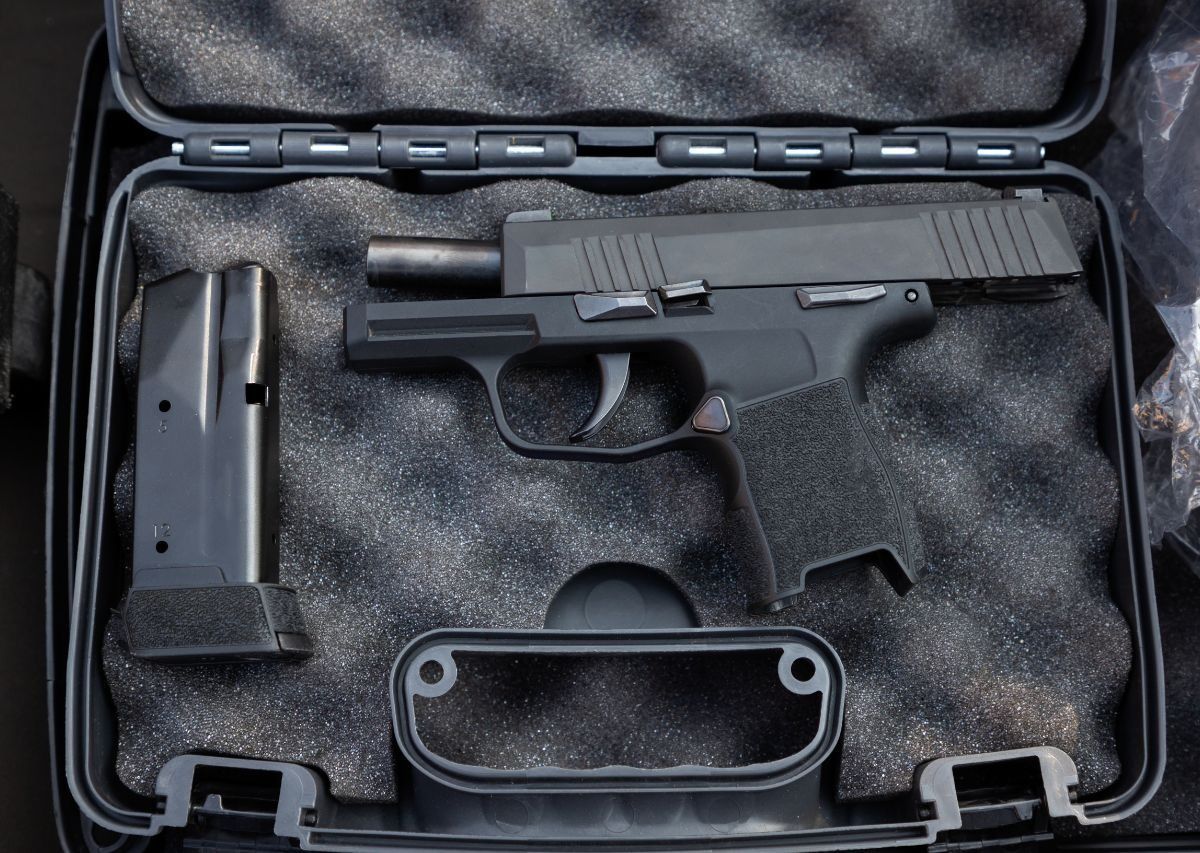
If you have ever stood in front of a gun safe and wondered how to move a gun safe without wrecking your floors, your back, or your doorframes, you are not alone. Gun safes are among the most challenging items to relocate in any home. They are dense, awkwardly shaped, and unforgiving when it comes to tight corners or staircases. Understanding what the job actually involves before you start is what separates a smooth move from a costly mistake. For homeowners who would rather avoid the risk entirely, working with experienced movers that offer professional moving services in Beaufort, SC can make relocating heavy items like safes far safer and more efficient. Why Moving a Gun Safe Is Different From Moving Other Heavy Items A gun safe is not just heavy. It is heavy in a specific way that makes standard moving techniques unreliable. The weight is concentrated and low, the exterior is typically smooth and hard to grip, and the internal locking mechanisms mean you cannot simply tip it on its side without risking damage to the locking components. Treating it like a standard appliance or piece of furniture is where most people run into trouble. Many safes weigh between 400 and 800 pounds depending on the size, steel gauge, and fire rating. A safe at the upper end of that range requires serious equipment and more than one person. Without the right tools, even moving a safe a short distance across a room can cause injury or damage to the surrounding structure. Assessing the Safe and the Space Before You Do Anything The first step when figuring out how to move a gun safe is not touching the safe. It is evaluating everything around it. Measure the safe's dimensions, then measure every doorway, hallway, and stairwell it needs to pass through. A safe that clears the width of a hallway may still not clear it if the hallway has a turn that limits the available angle of movement. Check the flooring along the intended path. Hardwood floors scratch easily under the weight of a safe, even with protection. Tile can crack. Carpet creates friction that makes movement harder and less predictable. Knowing what surfaces you are working with allows you to plan your protection and equipment accordingly before the move begins. Also confirm whether the safe is currently on a main floor, a basement, or an upper level. The presence of stairs changes everything. A safe that is manageable on a flat surface becomes an entirely different problem when stairs are involved, and stairs require specialized equipment and a clear strategy before anyone lifts anything. The Equipment You Will Need Moving a gun safe without the right tools is not worth attempting. The physical risk and the potential for property damage far outweigh any savings from trying to manage it with whatever you have on hand. Here is what a proper gun safe move requires: A heavy-duty appliance dolly rated for the weight of the safe Moving straps or tie-down straps to secure the safe to the dolly Floor protection such as thick moving blankets, plywood sheets, or rubber mats Work gloves with a firm grip surface Corner guards or doorframe protection for any tight passages At least two additional people, and often more for safes approaching 800 pounds Standard hand trucks are not sufficient for most gun safes. An appliance dolly with a wider base and a higher weight rating gives you the stability and control the job requires. If you do not own one, renting from a local equipment supplier is a practical option, though you should confirm the weight capacity before committing to a specific model. Removing Firearms and Securing the Door Before the safe moves an inch, remove all firearms, ammunition, and valuables from inside. This is both a safety measure and a practical one. Keeping firearms in a safe during transport adds unnecessary weight and introduces risk if the safe shifts or tips unexpectedly. Store everything securely and separately during the move. Once the safe is empty, use the lock or any built-in locking bar to secure the door shut. A safe door that swings open during a move can injure the people handling it and damage walls or doorframes. Some movers use rope or moving straps around the exterior to add a secondary layer of security for the door, which is a sensible precaution for any move involving stairs or significant distance. Moving a Gun Safe on a Single Level On a flat surface, the process of moving a gun safe comes down to controlled, deliberate movement. Tilt the safe back carefully with one person on each side and slide the dolly underneath the bottom edge. Strap it firmly before you attempt to move it anywhere. The straps should hold the safe snugly against the dolly without any slack that allows shifting. Move slowly. Stop and reassess if anything feels unstable. Floor protection should be laid out ahead of the dolly's path, not just placed under where the safe currently sits. You want to be covering the floor as you move forward, repositioning protection as needed. Situations like this often happen during household relocations, which is why many homeowners rely on professional residential moving services when dealing with oversized or extremely heavy items inside the home. How to Move a Gun Safe Down Stairs Stairs require more people, more planning, and a different technique than flat-surface moves. The safest approach for a staircase is to use a stair-climbing dolly, which has a wheel mechanism designed to step down each riser in a controlled manner. These are not common household items, and renting or borrowing one specifically for this job is worthwhile. Always move a safe down the stairs with the dolly wheels facing the stairs, not the back of the dolly. Two people should guide from behind while at least one additional person controls the front to prevent the load from gaining momentum on the way down. Communicate clearly at each step. Moving a heavy safe down a flight of stairs without verbal coordination between everyone involved is genuinely dangerous. Getting the Safe Into a Vehicle for Transport Once the safe is out of the home, getting it into a truck or van requires a loading ramp or a lift-gate vehicle. Trying to lift a safe up and into a truck bed without either is extremely difficult and puts everyone involved at serious risk of injury. Ratchet straps should be used to anchor the safe securely to the floor or wall of the vehicle so it cannot shift during transport. A safe that moves during transit can damage the vehicle, damage itself, or create a hazard if the vehicle has to stop suddenly. Position the safe so it rides upright if possible. Some manufacturers advise against laying certain safes on their side, particularly those with internal locking bolt systems, as this can affect the alignment of the mechanism over time. Check the manufacturer guidelines for your specific model before deciding how to orient it in the vehicle. Setting the Safe in Its New Location Delivery is not the end of the job. Once the safe arrives at its new location, you need to reverse the process thoughtfully. Confirm the final placement before the safe is fully off the dolly, because repositioning it even a few feet after it is down is another significant effort. Many gun safe owners choose to bolt their safe to the floor or wall in the new location, both as a security measure and to prevent tipping. If you plan to do this, have the hardware ready before moving day so the installation can happen immediately after the safe is in position. Leaving a large safe unanchored, even temporarily, is a risk that is easy to avoid with a bit of advance preparation. When to Call a Professional Moving Team Some gun safe moves are straightforward enough for a prepared group of people with the right equipment. Others are not. If your safe weighs significantly more than the people handling it, if the route involves a difficult staircase, or if the path through the home is tight, calling a professional moving company is the right call. Professional movers who handle both residential and commercial moving services regularly transport heavy equipment, safes, and specialized items. They bring the appropriate equipment, carry proper insurance, and take responsibility for the safety of your home and property throughout the move. The cost of a professional move for a single item like a gun safe is modest compared to the cost of a floor repair, a back injury, or a damaged safe. Moving a Safe? Let the Team Who Knows Heavy Items Handle It. Moving a gun safe is one of those jobs where having experienced hands makes a real difference. At Montford Movers, we have the equipment and the know-how to move heavy, high-value items carefully and without damage to your home. If you have a safe that needs relocating, we are glad to talk through what the job involves and what to expect. Give us a call at (912) 793-1630 or send us a note at sales@montfordmovers.com and we will take it from there. FAQ Can one person move a gun safe alone? In most cases, no. Even smaller safes are dense and awkward to manage solo. Safes over 400 lbs need at least two or three people and proper equipment. Attempting it alone increases the risk of injury and property damage significantly. Is it safe to move a gun safe on its side? Some safes can be laid on their side for short periods, but many manufacturers advise against it due to locking bolt alignment. Check your safe's manual first. When in doubt, keep it upright throughout the entire move to avoid internal damage. Do I need to empty the safe before moving it? Yes, always. Remove all firearms, ammunition, and contents before any move. This reduces total weight, eliminates safety risks during transit, and protects your belongings if the safe shifts unexpectedly. Store everything separately and securely until the safe is in its new location. What kind of dolly do I need to move a gun safe? You need a heavy-duty appliance dolly rated for the safe's total weight. Standard hand trucks are not suitable. For stairs, a stair-climbing dolly is the right tool. Always confirm the weight capacity of any rental equipment before the move day. How do I protect my floors when moving a gun safe? Use thick moving blankets, rubber mats, or plywood sheets along the entire path. Lay protection ahead of the dolly as you move, not just under the starting position. Hardwood and tile floors are especially vulnerable and need consistent coverage throughout the move.
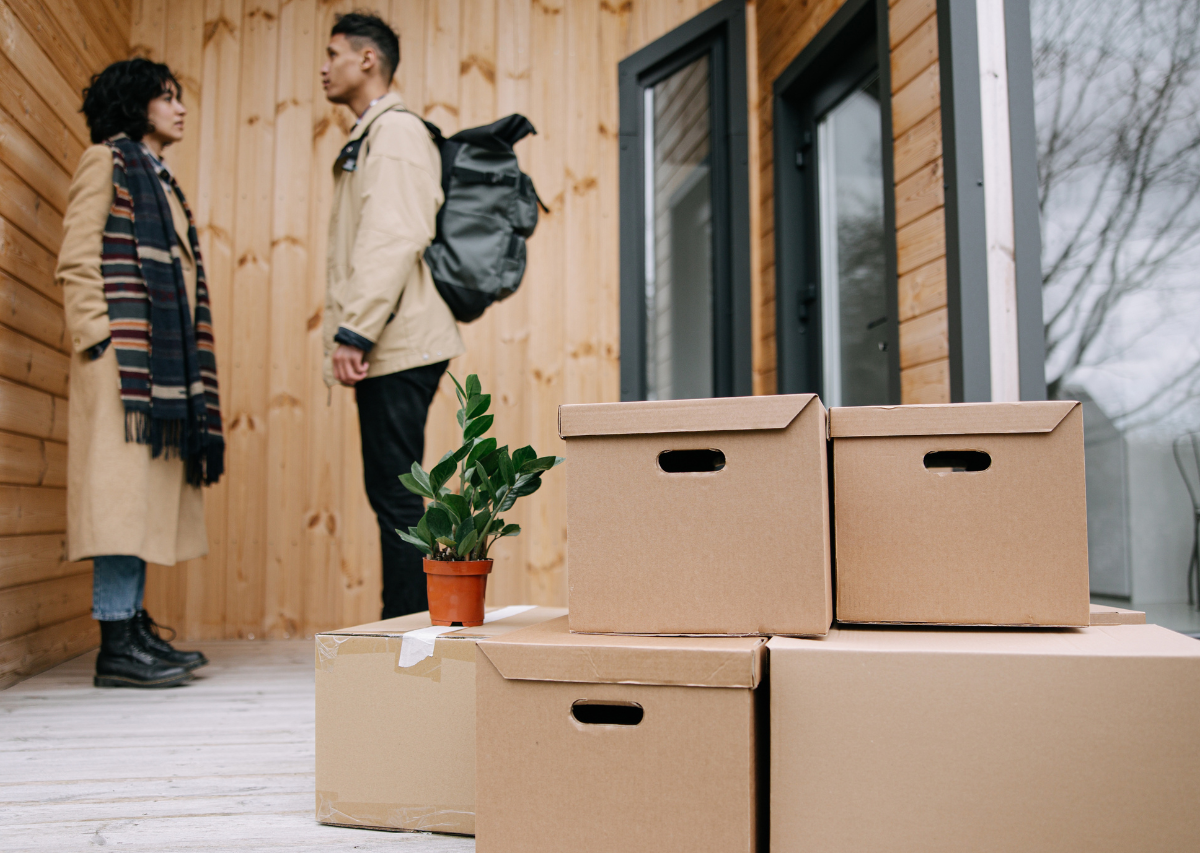
Relocating your household requires a significant amount of preparation, and securing enough containers for your belongings is a major priority. If you are wondering how to find free moving boxes , you are already on the right track toward a more affordable and organized transition. Planning ahead allows you to gather essential materials without spending a large portion of your budget on cardboard, especially when preparing for a move with the help of professional residential moving services that can streamline the entire relocation process. Cardboard containers are often the most overlooked expense during a residential transition. While it might seem easier to buy brand new sets, the costs can add up quickly. Finding high quality recycled options is a sustainable choice that benefits both your wallet and the environment. By scouting the right locations, you can easily source durable packing materials for your home. Many people find that local retailers are the best places to start their search. Large stores receive shipments daily and often have an abundance of cardboard that they otherwise send to recycling centers. Building relationships with store managers can help you secure the best sizes before they are broken down for disposal. This proactive approach ensures a steady supply of items. Neighborhood Opportunities and Community Sharing Digital platforms have made it much easier to connect with neighbors who have recently finished their own relocations. Checking community forums or local social media groups often reveals families who are eager to give away their used supplies. This peer to peer exchange is one of the most efficient methods for those looking for a quick and reliable solution. Traditional yard sales and community centers are also excellent spots for scouting materials. People often set aside sturdy containers after unboxing new appliances or furniture. If you ask politely, many neighbors will be happy to let you take these items off their hands. This localized networking helps you build a strong inventory of packing supplies in a short time. The condition of the cardboard is just as important as the price. Always inspect used items for structural integrity, moisture damage, or pests before bringing them into your living space. Choosing only the cleanest and strongest materials will protect your fragile goods during transit. A bit of scrutiny during the gathering phase prevents headaches later on in the process. Strategic Sourcing from Specialized Retailers Liquor stores are legendary for providing small, heavy duty containers that are perfect for books and breakables. Because these containers are designed to carry heavy glass bottles, they offer superior strength compared to standard grocery varieties. Many managers are happy to let you take them if you visit during their restocking hours early in the week. Bookstores are another hidden gem for those who need to transport heavy media collections safely. Boxes used for shipping books are specifically constructed to handle significant weight without collapsing. These standardized sizes make it much easier to stack your belongings efficiently inside a vehicle. Asking at the customer service desk is a simple way to gain access to these items. Office supply retailers often have specialized containers for electronics and paperwork. These locations frequently dispose of large amounts of clean, uniform cardboard that is ideal for a structured pack. If you can time your visit with their delivery schedule, you might find pristine containers that are practically brand new. Businesses that regularly relocate offices often rely on professional commercial moving services to handle large quantities of equipment and organized packing materials efficiently. Timing and Consistency in Your Search Starting your search at least three weeks before your scheduled date is essential for success. Gaining a sufficient quantity of materials takes consistent effort and multiple trips to different locations. By beginning early, you avoid the stress of last minute shopping trips that could derail your budget. Consistency is the primary factor in gathering a complete set. Keep a mental map of the most productive locations you visit during your search. If a particular grocery store is consistently helpful, make it a recurring stop on your weekly errands. Building a rapport with the staff can sometimes lead to them setting aside the best containers for you. This small effort goes a long way in securing high volume supplies. Organization is key when you are bringing home different types of recycled containers. Group them by size and strength as you collect them to keep your staging area manageable. Labeling the items early will help you visualize how much more you need to find. Having a clear inventory reduces the chances of over-collecting or running out of space. Safety and Hygiene When Reusing Cardboard Hygiene should always be a concern when you are sourcing materials from retail environments. Avoid any containers that were used to ship fresh produce or perishable items, as they may harbor bacteria or moisture. Stick to dry goods and hardware shipments to ensure your personal belongings remain clean. Selecting the right types of containers preserves the quality of your goods. Reinforcing the bottom of every used container with high quality tape is a necessary precaution. Even a sturdy looking box may have weakened seams from its previous use in a commercial setting. Adding an extra layer of structural support ensures that heavy items do not fall through during the lifting process. This simple step adds a vital layer of security. Storing your collected items in a dry, temperature controlled environment is crucial for maintaining their strength. Cardboard loses its structural integrity very quickly if it becomes damp or is left in a humid garage. Stack them flat to save space until you are ready to begin the actual packing process. Proper storage keeps your materials in peak condition for the big day. Finding Professional Support for Your Belongings Verify the strength of every container by checking the manufacturer stamp on the bottom. Inquire with local recycling coordinators to see if they have a dedicated area for reusable items. Visit local pharmacies for smaller, clean containers that are ideal for toiletries and medicine. Utilize local online marketplaces where residents post free items for immediate pickup. Ask at your workplace for any shipping containers arriving from corporate deliveries. Check with elementary schools as they often receive large shipments of paper and supplies. Look for recently moved neighbors by watching for professional trucks on your street. Preparing Your Household for the Transition Creating a designated area for your packing supplies will help keep your home from becoming chaotic. As you gather materials, break them down and stack them neatly to maximize your available floor space. This organized approach makes it much easier to see exactly what you have on hand. A tidy workspace leads to a much more focused and efficient packing experience. Consider the weight of the items you plan to place in each container. Overloading a large box with heavy items like books is a common mistake that leads to injuries and broken goods. Use smaller containers for heavy objects and save the large ones for light, bulky items like linens. This balanced packing strategy ensures a safer and more manageable transition for everyone involved. Cushioning is just as important as the exterior container when it comes to protection. While you are searching for cardboard, keep an eye out for clean newsprint or packing paper that people are discarding. Reusing these soft materials provides an extra layer of defense for your delicate glassware and electronics. Effective layering is the secret to a damage free residential relocation. Enhancing Your Local Moving Experience While gathering free materials is a fantastic way to save money, professional assistance can make the actual moving day far more efficient. Expertise in handling heavy furniture and navigating tight spaces protects both your property and your physical health. Investing in quality labor ensures that your hard work in preparation pays off with a smooth arrival. Professional teams bring a level of speed and precision that is difficult to achieve on your own. They can often provide specialized equipment that handles your heavy boxes with ease, reducing the risk of accidents. This partnership allows you to focus on the emotional aspects of settling into a new home. Balance your DIY spirit with professional support for the best results. Every relocation is a unique journey that requires a customized approach to be truly successful. By combining your thriftiness in finding supplies with expert moving services, you create a comprehensive plan for success. This holistic strategy takes the guesswork out of the transition and ensures every detail is handled. Enjoy the peace of mind that comes with a job well done. Streamlining Your Transition with Expert Help Preparing for a move is a demanding process that requires time and physical effort. Sourcing your own materials is a great start, but having a dependable team to manage the heavy lifting makes a significant difference. Focusing on the logistics of your new home is easier when you have support. Our team understands the challenges of residential transitions and offers the expertise needed for a successful day. We prioritize the safety of your belongings and work efficiently to meet your specific timeline. Let us handle the complexities of the move while you enjoy the excitement of your new beginning. Secure Your Transition with Professional Care from Montford Movers Finding the right support for your relocation is just as important as finding the right containers. If you are planning a move and need reliable moving services in Beaufort SC , our experienced team is ready to help. For professional assistance with your upcoming journey, you can reach out to our team at sales@montfordmovers.com or give us a call at (912) 793-1630 to discuss your needs. We are here to help you move forward with confidence and ease. Frequently Asked Questions Where can I find free boxes for my move? Retail stores and local grocery shops are the most reliable locations to begin your search. Many businesses are happy to give away their cardboard before it is recycled. You can also check online community boards where neighbors often post their used supplies for free pickup after they have finished moving. How do I check if used boxes are safe? You should always inspect every container for signs of moisture, structural damage, or pests. Avoid any cardboard that smells strange or has visible stains from food or oil. Strong, dry containers are essential for protecting your valuables. Only use materials that feel sturdy and have clean interior surfaces. Which retail stores give away free boxes? Liquor stores, bookstores, and office supply retailers are known for having the highest quality cardboard for moving. These businesses often have sturdy, uniform sizes that are easier to stack and organize. It is best to call ahead and ask for the manager to find out their specific delivery and recycling schedules. Is it better to buy or find boxes? Finding free materials is a cost effective and eco friendly choice for many families. However, if you are moving fragile or extremely heavy items, purchasing specialized professional containers might offer better protection. Most people find that a mix of both free and purchased materials provides the best balance of safety and savings. How many boxes will I need for my move? The quantity depends on the number of rooms and the volume of your personal belongings. A standard two bedroom home typically requires between thirty and fifty containers of various sizes. It is always a good idea to gather more than you think you need to account for any damaged items or last minute packing.

The global supply chain relies on a variety of transportation methods to move goods across vast distances efficiently. For businesses looking to reduce costs and carbon footprints, understanding what is intermodal trucking is a vital first step toward better logistics management. This method combines the strengths of various transport modes to deliver cargo securely. By integrating rail and road systems, what is intermodal trucking offers a flexible solution for long distance shipping needs. It allows a single container to travel across different platforms without the goods being handled directly during the transition. Whether you are coordinating residential moving services or large-scale freight operations, understanding what is intermodal trucking helps companies streamline their domestic and international shipping operations. The Mechanics of Multi Modal Transport At its core, what is intermodal trucking involves moving freight in an intermodal container using multiple modes of transportation. The process typically begins with a truck picking up a loaded container from a warehouse or factory. This initial leg of the journey is a crucial part of what is intermodal trucking. Once the truck reaches a rail yard or port, the container is lifted onto a train or ship. This transition is seamless because the container design is standardized across the entire industry. Knowing what is intermodal trucking allows you to see how rail handles the long haul while trucks manage the local drayage. Efficiency and Cost Savings in Freight One major reason companies ask what is intermodal trucking is to find ways to lower their total shipping expenses. Rail transport is significantly more fuel efficient than long distance trucking for heavy loads. By utilizing what is intermodal trucking, businesses can save on fuel surcharges and driver labor costs over thousands of miles. The standardized nature of the equipment used in what is intermodal trucking also reduces the risk of cargo damage. Since the goods stay inside a sealed container, there is less opportunity for theft or environmental exposure. Exploring what is intermodal trucking reveals a highly secure way to move high value or sensitive commercial moving services and products across the supply chain. Environmental Impact and Sustainability As green initiatives become more important, many logistics managers are investigating what is intermodal trucking to meet sustainability goals. Moving freight by rail can be up to four times more fuel efficient than using trucks alone. Implementing what is intermodal trucking helps a company significantly lower its overall carbon emissions for every ton moved. Reducing the number of long haul trucks on the highway also decreases road congestion and wear on infrastructure. When you consider what is intermodal trucking, you see a solution that benefits both the environment and public safety. It is an eco friendly alternative that does not sacrifice the reliability or speed of the delivery. Containers are moved from rail to truck using specialized cranes and reach stackers. Standard containers are usually 20, 40, or 480 inches in length for universal compatibility. Real time tracking is often available for every leg of the intermodal journey. Intermodal hubs serve as the central connection points for trucks and trains to meet. The Role of Drayage in the Supply Chain A critical component of what is intermodal trucking is the short distance movement known as drayage. This involves moving a container from a rail ramp to its final destination or a nearby warehouse. Without this local trucking element, the entire system of what is intermodal trucking would be unable to function. Drayage drivers specialize in these short, repetitive trips that connect the rail network to the end user. This specific segment of what is intermodal trucking requires high levels of coordination and timely execution. Understanding what is intermodal trucking means appreciating the precise timing required at these busy transport hubs and local ports. Overcoming Logistics Challenges with Technology The complexity of coordinating multiple transport modes means that what is intermodal trucking relies heavily on advanced software. Logistics providers use sophisticated systems to monitor the 480 different variables that can affect a delivery schedule. Technology ensures that what is intermodal trucking remains a predictable and transparent option for modern global shippers. Electronic data interchange allows for the instant sharing of documents between rail carriers and trucking companies. This digital integration is a hallmark of what is intermodal trucking and prevents delays caused by paperwork errors. As technology evolves, what is intermodal trucking becomes even more efficient through automation and better data analytics. Capacity and Reliability in Peak Seasons During times of high demand, standard over the road trucking capacity can become extremely tight and expensive. Many savvy shippers turn to what is intermodal trucking to find consistent capacity when truck drivers are scarce. The rail network provides a massive amount of space that complements what is intermodal trucking during the holidays. While rail can sometimes be slower than direct trucking, the reliability of the schedules is often very high. Planning your supply chain around what is intermodal trucking allows for better inventory management and predictable warehouse arrivals. It is a strategic buffer that makes what is intermodal trucking a necessity for large scale retail. Advanced locking mechanisms ensure containers stay fastened to rail cars and trailers. Temperature controlled containers allow for the transport of perishable goods via intermodal. Strategic placement of intermodal ramps allows for 480 miles of coverage in local regions. Dedicated customer service teams manage the handoff between the different transport carriers. Comparing Intermodal and Transloading It is important to distinguish what is intermodal trucking from other methods like transloading or traditional freight. In transloading, the actual goods are moved from one vehicle to another, which increases the risk of damage. In contrast, what is intermodal trucking keeps the goods inside the same container the entire time. This lack of handling is a major selling point for those who prefer what is intermodal trucking for fragile items. By keeping the seal intact from the origin to the destination, what is intermodal trucking ensures the highest level of cargo integrity. This distinction is vital when choosing the right logistics partner for your specific shipping needs. The Future of the Intermodal Industry The industry is constantly evolving with new investments in rail infrastructure and greener trucking technology. We are seeing an increase in the number of intermodal hubs that can handle 480 or more containers every single day. The growth of what is intermodal trucking is fueled by the need for smarter and more scalable transport. Electric and autonomous trucks may soon handle the drayage portion of what is intermodal trucking for even greater efficiency. This forward thinking approach ensures that what is intermodal trucking will remain a cornerstone of global trade for decades. Staying informed on what is intermodal trucking helps businesses adapt to a changing and competitive economic landscape. Choosing the Right Logistics Partner Success in shipping requires a partner who understands the intricacies of what is intermodal trucking from start to finish. You need a team that can manage the handoffs and ensure your container moves smoothly between the rail and the road. A provider who excels in what is intermodal trucking will provide the visibility and support you need. Before committing to a shipping plan, ask your provider for a detailed breakdown of what is intermodal trucking costs. Comparing these to traditional trucking will highlight the potential savings for your specific routes. Embracing what is intermodal trucking is a smart move for any business looking to grow and thrive in a modern world. Streamline Your Supply Chain with Professional Freight Support Montford Movers has served the community for years with a legacy of local trust. We offer full packing, heavy hauling, and long distance moving for every unique family. Our crew expertly manages over 480 logistics to ensure your peace of mind during transit. Need to clear out before or after a move? Our professional junk removal services make the process seamless from start to finish. Let our professional team handle the heavy lifting while you navigate the road ahead. Call Now FAQs What are the main advantages of intermodal shipping? The main benefits of what is intermodal trucking include significant cost savings and better fuel efficiency. By using rail for the long haul, companies can reduce their carbon footprint while ensuring their cargo stays secure in a single container. It is a reliable way to move goods over 480 miles. Is intermodal trucking slower than standard trucking? While rail can take longer than a direct truck, what is intermodal trucking offers more consistent schedules. The slight difference in transit time is usually offset by the lower cost and higher security of the shipment. Planning ahead ensures that what is intermodal trucking works for your timeline. What kind of goods can be moved via intermodal? Almost any dry or refrigerated cargo can be moved through what is intermodal trucking using standard containers. This includes electronics, clothing, and even perishable food items that require temperature control. Most businesses use what is intermodal trucking to transport over 480 types of retail goods. How does drayage fit into intermodal trucking? Drayage is the short trucking leg that connects a rail yard or port to the final destination for the cargo. It is the first and last mile of the journey in what is intermodal trucking and requires high precision. Without drayage, the rail portion of what is intermodal trucking could not be completed. How secure is the cargo during an intermodal move? Cargo is extremely secure because it remains in a sealed container throughout the entire process of what is intermodal trucking. The container is only opened at the final destination, which prevents theft and damage during transport. This high security is a major reason to choose what is intermodal trucking.
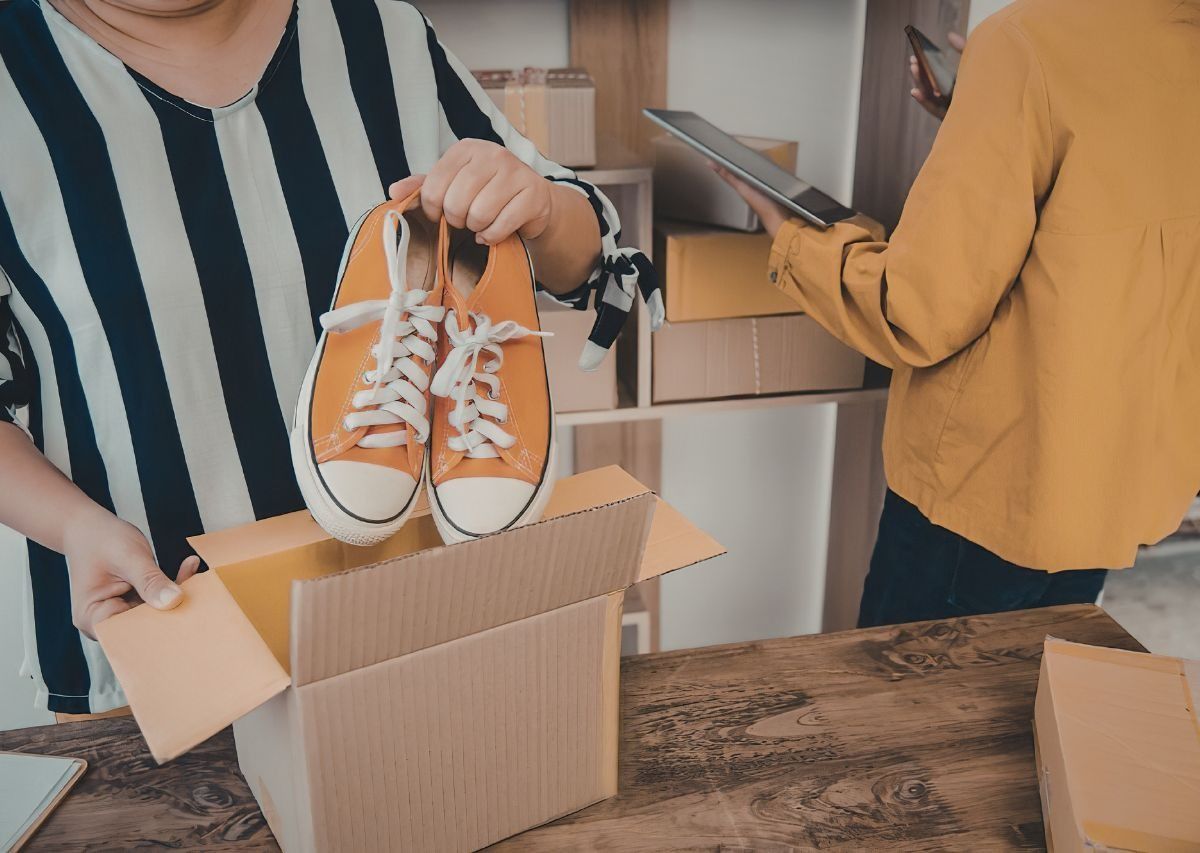
Moving to a new home involves many logistical challenges, but protecting your wardrobe often starts from the ground up. Learning how to pack shoes properly is essential to ensure your favorite sneakers, heels, and boots arrive at your destination in pristine condition. When utilizing professional residential moving services , footwear is surprisingly delicate and requires specific care during transit. When you understand how to pack shoes, you prevent scuffing, crushing, and color transfer that often occurs in disorganized boxes. Many people simply toss their footwear into large bins, which leads to avoidable wear and tear. A systematic approach to how to pack shoes will save you significant money and frustration. The Importance of Sorting and Cleaning Before you dive into how to pack shoes, you must evaluate your entire collection to decide what is worth moving. It is common for people to realize they have over 480 different items across their entire household that need organizing. Sorting through your footwear allows you to donate pairs you no longer wear. Cleaning every pair is a vital secondary step in how to pack shoes correctly. Dirt and debris can rub against other materials during the vibrations of a moving truck, causing permanent damage. Taking the time to wipe down soles and uppers ensures a much cleaner unpacking process when you arrive. Essential Supplies for Footwear Protection Having the right materials on hand makes the process of how to pack shoes much smoother and more effective. You will need high quality packing paper, sturdy boxes, and perhaps some specialized shoe organizers. Avoid using newspaper for how to pack shoes because the ink can permanently stain lighter colored fabrics. Using original boxes is often the gold standard for how to pack shoes because they provide custom support. If you no longer have the original packaging, small individual boxes or clear plastic bins are excellent alternatives. These containers provide a hard shell that protects against the weight of other items being moved. Stuffing Techniques to Maintain Shape One of the most overlooked aspects of how to pack shoes is maintaining the internal structure of the footwear. You should stuff the insides of your shoes with acid free crumpled paper to prevent them from being crushed. This technique is especially important for tall boots and soft leather dress shoes. When you master how to pack shoes with internal support, you ensure that leather does not crease permanently. This simple step mimics the professional standards used by high end boutiques and commercial moving services specialists. It is a fundamental part of how to pack shoes that keeps your investment looking brand new. Wrap each shoe individually in packing paper to prevent them from rubbing against each other. Place heavier footwear like work boots at the bottom of the box to create a stable base. Fill any remaining gaps in the carton with extra paper to prevent items from shifting. Use clean socks inside smaller shoes as an efficient way to save space and provide padding. Specialized Care for Luxury Footwear High heels and delicate designer items require a more meticulous approach when considering how to pack shoes. These items often have sharp points or fragile embellishments that can snag on other fabrics. Wrapping these in soft cloths or dust bags is a superior method for how to pack shoes safely. Never place high heels directly against soft materials without a protective barrier in place. When thinking about how to pack shoes of high value, consider using bubble wrap for an extra layer of shock absorption. This ensures that even 480 miles of bumpy roads will not compromise the integrity of your heels. Organizing by Seasonal Utility A strategic tip for how to pack shoes involves organizing your boxes by season or frequency of use. You should keep a separate bag for the pairs you will need immediately upon arrival at your new residence. This prevents the need to dig through dozens of boxes just to find your daily sneakers. Labeling each box clearly is the final touch in how to pack shoes like a veteran of the industry. Write the names of the owners and the types of footwear contained within on the side of every carton. This level of detail in how to pack shoes makes the move much easier. Maximizing Box Space and Weight Weight distribution is a key factor when learning how to pack shoes for a long distance relocation. Large boxes filled entirely with heavy boots can become difficult to carry and may break through the bottom tape. Aim for medium sized boxes that stay under a manageable weight limit for safety. Store shoes sole to sole or heel to toe to maximize the available cubic space in each box. Use shoe trees for expensive leather pairs to provide the ultimate level of structural support. Avoid using plastic bags for long term storage as they can trap moisture and cause mold. Tape the bottom of every box with multiple layers of heavy duty packing tape for security. Dealing with Large Household Collections If you are moving a large family, you might find yourself managing over 480 individual pieces of footwear. Creating a central packing station for how to pack shoes can keep the entire household on track and organized. If the sorting process reveals a mountain of items that no longer serve you, a professional junk removal service can clear the clutter before moving day. Consistency in how to pack shoes across the family prevents confusion during the transition. Encourage each family member to follow the same protocol for how to pack shoes to ensure a high standard. When everyone knows how to pack shoes correctly, the risk of damaged property drops significantly for the entire move. Proper preparation turns a potentially chaotic task into a very manageable and successful project. Long Term Storage Considerations Sometimes a move involves a period of storage, which changes the requirements for how to pack shoes. Climate controlled environments are best to prevent leather from cracking or rubber from degrading over several months. Understanding how to pack shoes for storage ensures they remain wearable for many years to come. Adding silica gel packets inside the boxes is a smart addition to your plan for how to pack shoes. These small packets absorb any ambient moisture and protect against the growth of mildew in dark boxes. This is a pro level secret for how to pack shoes that are being put away. Final Inspection and Loading Before the movers arrive, perform a quick check of your boxes to ensure they are properly sealed. A well executed plan for how to pack shoes only works if the containers are sturdy enough for transport. Listen for any shifting sounds when you move the box to check for loose items. A firm box with no internal movement is the sign of someone who knows how to pack shoes correctly. Place these boxes in areas where they will not be crushed by furniture or heavy kitchen appliances. This final step completes your mastery of how to pack shoes for a safe and efficient relocation. Step Toward a Stress Free Relocation with Our Experts Montford Movers has built a legacy of trust and excellence in the relocation industry. We offer full packing, local hauling, and long distance moving services for all families. Our crew can safely transport over 480 specialized items using our custom logistics. Let our professional team handle the heavy lifting while you lace up for your next big adventure. Book Now FAQs What is the best material for wrapping my shoes? Clean white packing paper is the best choice for how to pack shoes because it prevents scuffing without leaving ink stains. Avoid using old newspapers or colored tissue that might bleed onto your footwear. Wrapping each pair individually is a vital step for how to pack shoes and maintain their value. Should I keep my shoes in their original boxes? Yes, using original boxes is a great strategy for how to pack shoes as they provide the best fit and protection. These sturdy containers prevent other items from crushing your shoes during the move. If you lack the original boxes, sturdy plastic bins or small moving cartons work well for how to pack shoes. How do I prevent my boots from losing their shape? The best way for how to pack shoes like tall boots is to stuff the shafts with crumpled paper or boot trees. This provides the necessary internal support to keep the leather from creasing or collapsing. Taking this extra step in how to pack shoes ensures your expensive boots remain in top condition. How many pairs of shoes should I put in one box? When considering how to pack shoes, keep box weight manageable by limiting it to five or six pairs of heavy footwear. For lighter items like sandals, you can fit more as long as you use enough padding. Balancing weight and volume is essential when learning how to pack shoes for any relocation. Can I use socks to help pack my shoes? Using socks is a clever tip for how to pack shoes because they provide padding while saving space in your boxes. Simply roll your socks and place them inside the footwear to help maintain the shape of the uppers. This dual purpose method is a favorite among those who know how to pack shoes.