
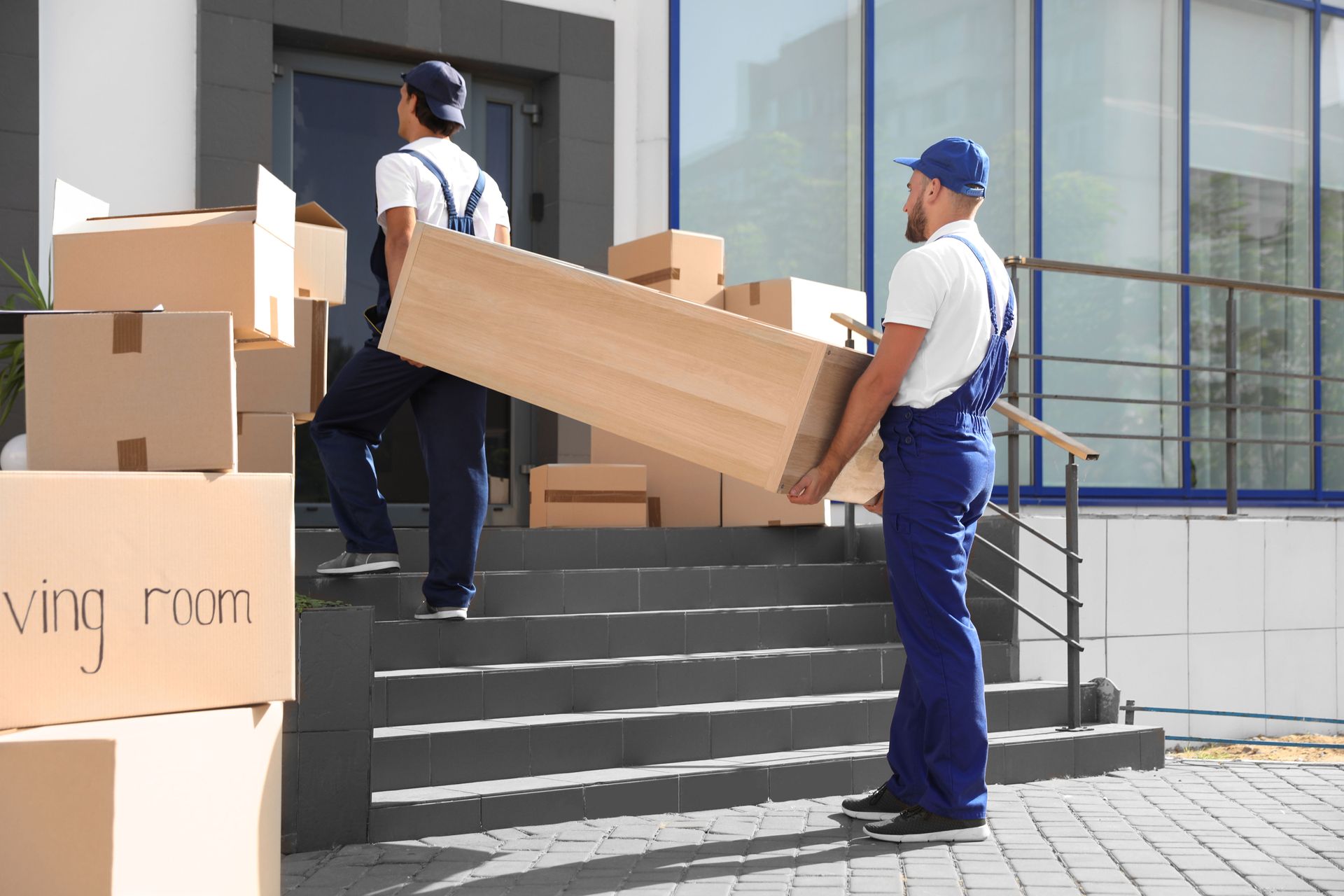

Unsure how to choose the right moving company for your next relocation? Learn what essential factors to review, from licensing to transparent pricing.
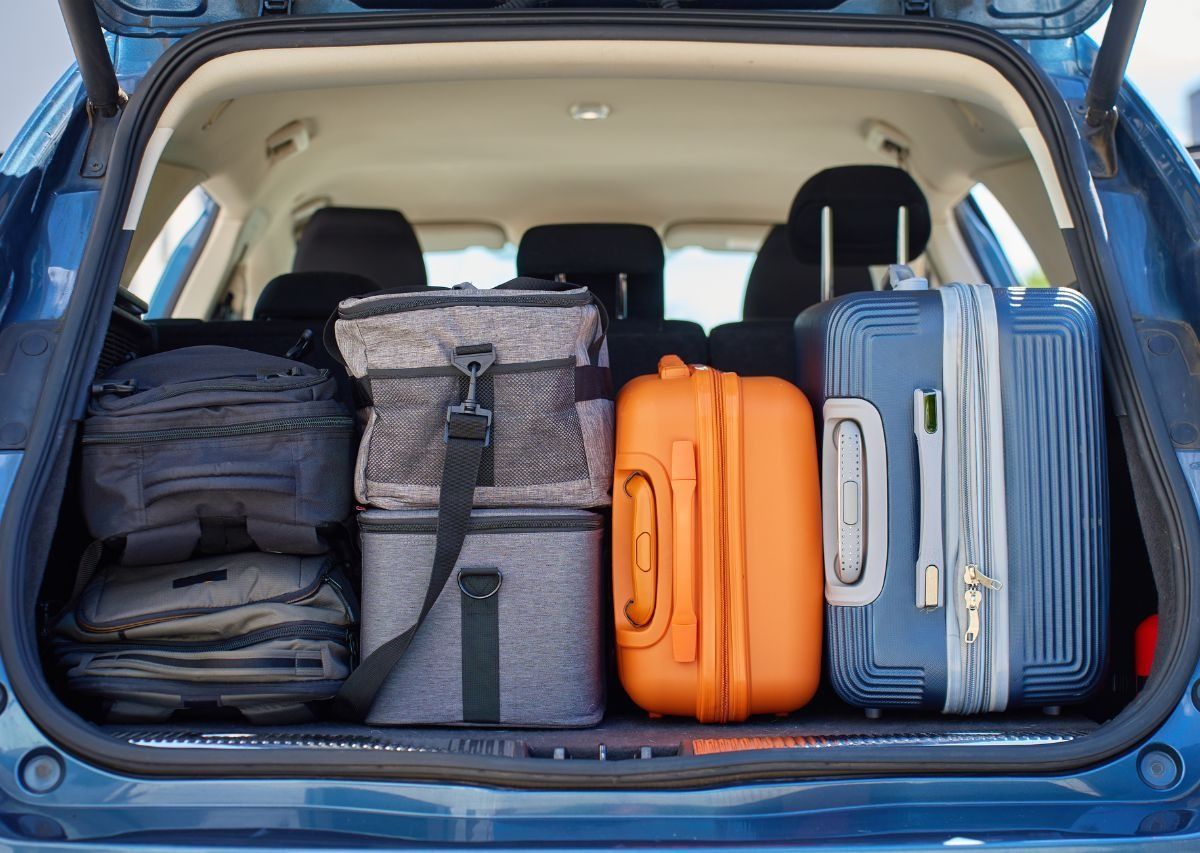
Packing a suitcase may seem simple, but doing it incorrectly can lead to wrinkled clothes, broken items, excess baggage fees, and unnecessary stress during travel. Whether you are preparing for a weekend getaway, a business trip, or a long vacation, knowing how to pack a suitcase properly helps you stay organized and travel comfortably. This guide walks you through proven packing strategies that save space, protect your belongings, and keep everything easy to access. With the right preparation and packing method, you can avoid overpacking while still bringing everything you need. Many of the same principles used by professional moving and packing services apply to travel packing as well—planning, organization, and protection. Start With a Packing Plan Before opening your suitcase, take time to plan what you will bring. Start by checking your destination, length of stay, activities, and weather conditions. A clear plan prevents unnecessary items from ending up in your luggage. Create a checklist that includes clothing, toiletries, documents, electronics, and personal essentials. Laying out everything before packing helps you see what you truly need and what can be left behind. This step alone reduces clutter and keeps your suitcase lighter and more organized. Choose the Right Suitcase Size The size of your suitcase matters more than most people realize. A suitcase that is too large encourages overpacking, while one that is too small forces poor organization. For short trips, a carry on sized suitcase is often enough when packed correctly. Longer trips may require a medium or large suitcase, but even then, proper space management is essential. Hard shell suitcases offer better protection for fragile items, while soft sided luggage allows flexibility and extra pockets for organization. Use Packing Cubes for Organization Packing cubes are one of the most effective tools for suitcase organization. They separate clothing by category, making it easier to find items without unpacking everything. Use one cube for tops, another for bottoms, and a smaller cube for underwear and socks. Packing cubes also compress clothing slightly, creating more space. When you arrive at your destination, you can place the cubes directly into drawers, saving time and keeping everything tidy throughout your trip. Roll Clothes Instead of Folding Rolling clothes is a proven technique for saving space and reducing wrinkles. T shirts, jeans, casual dresses, and workout clothes roll well and fit neatly into packing cubes or suitcase corners. Place heavier rolled items at the bottom of the suitcase near the wheels to maintain balance. More structured items such as blazers or dress shirts can be folded carefully and placed on top. Combining rolling and folding ensures efficient use of space while protecting delicate fabrics. Layer Items Strategically Layering items inside your suitcase provides structure and protection. Start with shoes at the bottom, placing them sole to shell. Use shoe bags or shower caps to keep dirt contained. Place rolled clothing on top of shoes, followed by folded items. Fragile items such as toiletries or accessories should be cushioned between soft clothing. This layering method prevents movement during transit and keeps everything in place—an approach similar to how moving services in Margaritaville, SC carefully protect belongings during transport. Pack Shoes the Smart Way Shoes take up significant space, so pack only what you need. Choose versatile pairs that match multiple outfits. Stuff socks, belts, or small accessories inside shoes to maximize space. Place shoes in individual bags to prevent dirt transfer. Avoid packing shoes with heavy soles on top of clothing, as this can cause creasing or damage. Keeping shoes at the base of the suitcase improves balance and protects lighter items. Manage Toiletries and Liquids Carefully Toiletries are common sources of leaks and mess. Use travel sized containers and place liquids in sealed plastic bags. Keep toiletries in a separate pouch for easy airport security access if traveling by air. Position liquids in the middle of your suitcase, surrounded by clothing to absorb impact. Solid toiletries such as shampoo bars or solid deodorants reduce leak risks and save space. Protect Electronics and Important Documents Electronics should always be protected with padding. Wrap chargers and cords neatly to avoid tangling. Place laptops or tablets in padded sleeves and position them flat against the suitcase interior. Important documents such as passports, tickets, and IDs should be kept in a dedicated travel organizer or carry on bag. Avoid placing critical documents in checked luggage to prevent loss or delays. Avoid Overpacking With Outfit Planning One of the most effective ways to avoid overpacking is outfit planning. Choose a neutral color palette so items can be mixed and matched easily. Plan outfits by day rather than packing random pieces. Limit bulky items and wear heavier clothing during travel to save suitcase space. This approach reduces unnecessary items while ensuring you have suitable options for every occasion. Leave Room for Souvenirs Many travelers forget to leave extra space for souvenirs or purchases made during the trip. Packing your suitcase to full capacity on departure makes it difficult to bring items home. Leave some space or pack a foldable tote bag that can be used for return travel. This prevents last minute repacking stress and potential baggage fees. Final Packing Check Before Closing Before closing your suitcase, review your checklist one last time. Ensure essential items are included and liquids are sealed. Check weight limits if flying to avoid extra charges. Shake the suitcase gently to ensure items do not shift excessively. A final check ensures everything is secure and organized, giving you peace of mind before your trip begins. How Professional Movers Can Help With Travel Preparation While packing a suitcase is different from packing a household, organization skills matter in both cases. Montford Movers helps individuals and families prepare for moves of all sizes with professional packing services designed to protect belongings and reduce stress. Whether you are relocating, traveling during a move, or preparing for a temporary stay, trusted Sun City moving services can make the entire process smoother and more efficient. If you need assistance with packing, moving, or storage, you can contact Montford Movers at sales@montfordmovers.com or call (912) 793-1630 to discuss your needs and get reliable support from an experienced moving team. Frequently Asked Questions How do I pack a suitcase to save the most space Rolling clothes instead of folding them saves space and reduces wrinkles. Use packing cubes to separate items and compress clothing. Place heavier items at the bottom and fill gaps with socks or accessories to maximize every inch efficiently. What should I pack first in a suitcase Start with shoes placed at the bottom near the wheels. Then add rolled clothing, followed by folded items. Toiletries and fragile items should go in the center cushioned by clothes to prevent movement and damage during travel. How do I prevent clothes from wrinkling in a suitcase Rolling casual clothing helps minimize wrinkles while structured items should be folded carefully. Use tissue paper or dry cleaning bags between layers. Packing clothes tightly prevents shifting which reduces creasing during transit. How many outfits should I pack for a trip Plan outfits based on trip length and activities rather than packing extra clothes. Choose versatile pieces that mix and match easily. For most trips, one outfit per day plus one extra option is usually sufficient. Should toiletries go in checked or carry on luggage If flying, keep essential toiletries in your carry on in case checked luggage is delayed. Use travel sized containers and seal liquids in plastic bags. Non essential items can go in checked luggage when packed securely.
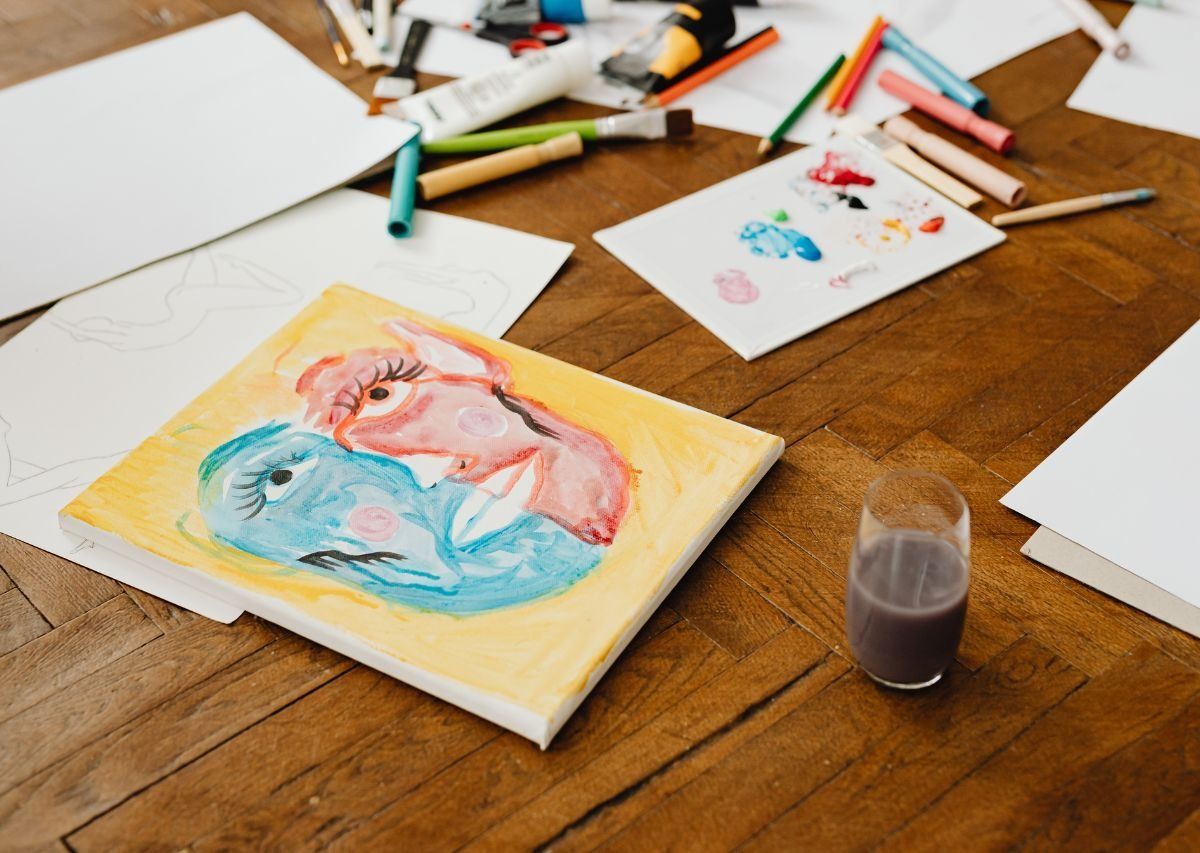
Knowing how to pack artwork for moving is one of the most important parts of preparing for a safe, low stress relocation. Artwork is often irreplaceable, whether it is a family photo, a canvas from a local artist, or a framed print you have had for years. With the right materials and a clear plan, you can protect frames, glass, and canvases from bumps, pressure, and changes in temperature during transit. Montford Movers regularly handles delicate and high value pieces as part of our professional moving services in Sun City, SC , so this guide reflects the same careful approach our crews use every day. Step One: Choose The Right Packing Supplies Before you start wrapping anything, gather the right supplies in one place so you can work efficiently. You will want sturdy boxes or artwork cartons, packing paper, bubble wrap, corner protectors, painter’s tape, foam sheets, and strong packing tape. Having everything ready makes each step smoother. Choose boxes slightly larger than your artwork, giving you enough room to cushion all sides without leaving open space for items to shift. For a collection of around 320 small prints or photos, using multiple smaller boxes instead of one large box keeps weight manageable and reduces crushing risk. Preparing Your Artwork Before Packing Take each piece of artwork off the wall and remove any hanging hardware that could scratch other surfaces. If a frame has wire, nails, or hooks on the back, put them in a small labeled bag so you can easily reattach them later in your new home. Dust the frame and glass gently to remove loose particles that might scratch during transit. For very delicate or valuable pieces, take a quick photo of each item before packing; this helps you document condition, remember where everything goes, and plan your new gallery wall layout. How To Pack Framed Artwork Framed artwork requires special attention to both the frame and the glass or acrylic front. Start by placing painter’s tape in a large X across the glass. This does not prevent breakage, but it helps keep shards in place if something happens during the move. Next, cover the front with a sheet of clean packing paper or foam and tape it lightly on the back of the frame. Wrap the entire piece in several layers of bubble wrap, making sure corners and edges are well protected. Secure the wrapping with tape, but do not tape directly to the frame finish. Smart Framed Artwork Packing Tips Pack framed pieces upright, not flat, to reduce pressure on glass. Group similar sizes together in one box, separated by cardboard or foam sheets. Fill gaps in the box with crumpled paper so nothing can slide or shift. How To Pack Canvas Art Canvas art needs protection from punctures, dents, and pressure on the stretched fabric. Lay the artwork face down on clean, soft material so the front does not rub against a hard surface. If the canvas has textured or impasto paint, avoid anything that could snag. Place corner protectors on each corner of the frame to shield against impacts. Wrap the entire piece in packing paper, then in a layer or two of bubble wrap, covering all sides. For larger canvases, consider using a custom or telescoping box that matches the dimensions of the piece closely. Protecting Glass And Delicate Surfaces Glass is often the most vulnerable part of framed artwork during a move. In addition to the tape X and bubble wrap, make sure there is a soft layer on both the front and back of the frame inside the wrapping. This creates a cushion that absorbs shocks and vibration. Avoid using newspaper directly against artwork or mats, because ink can transfer under pressure or humidity. For prints or photos under glass, make sure nothing inside the frame can slide or rub; if you notice movement, consider having it tightened or resecured before the move. Boxing Your Artwork Safely Once pieces are wrapped, prepare your boxes by lining the bottom with crumpled packing paper or foam padding. Place artwork upright, side by side, as if loading books on a shelf, rather than stacking them flat on top of each other. This reduces pressure on glass and canvases. Fill any side gaps with more paper or padding until nothing moves when you gently shake the box. Finish by placing a cushioning layer on top before sealing with tape. Clearly label each box with “Fragile” and “Artwork,” along with the room name where it should go in your new home. Special Considerations For Large Or High Value Pieces Oversized or very valuable artwork deserves extra planning. These pieces may benefit from custom crating or double boxing, where a wrapped item is placed in a snug box and then that box is placed inside a larger one with padding all around. This adds another layer of impact protection. If you are moving long distance, such as a long-distance or coastal relocation to Hilton Head Island , think about climate and travel time. Sudden temperature shifts and humidity can affect certain materials, so stable packing positions and premium materials are especially important. When Professional Help Makes Sense Very large framed pieces that are difficult to handle alone Original art, antiques, or items with significant financial or sentimental value Collections with many fragile items that need coordinated, room by room packing How To Pack Small Prints And Photos Smaller prints and photos can be packed together, but each piece still deserves protection. Place prints in protective sleeves or wrap them individually in packing paper. Stack them flat in a shallow box with cardboard dividers between stacks to keep edges from bending. Keep groups compact and well cushioned by filling gaps with soft materials. Remember that even if each piece is light, a stack of small frames can become heavy quickly; use several moderate sized boxes instead of one large, overfilled carton. Keeping Artwork Organized During Your Move Labeling is vital when learning how to pack artwork for moving. Clearly mark each box not only as “Fragile” but also with the room destination, such as “Living Room Art” or “Bedroom Gallery Wall.” This helps movers and family members handle boxes correctly and deliver them to the right space. You can also number artwork boxes and keep a simple inventory list. Note which pieces are in each box and where they came from in your old home. This makes it easier to confirm that everything arrived and to plan new arrangements without opening every box at once. Unpacking Artwork In Your New Home When you arrive, resist the urge to rush through unpacking. Choose one room at a time and open artwork boxes in a clear area where nothing will be stepped on or knocked over. Inspect each piece as you unwrap it to confirm that frames and glass are still secure. Lay out artwork along walls or on furniture before hanging anything. This lets you experiment with new combinations and heights and helps your new space feel like home. How Montford Movers Protects Your Artwork Montford Movers handles delicate and high value items every week, so our crews know how to pack artwork for moving with professional care. From framed photos to large canvas pieces, we use padded materials, smart box selection, and careful loading techniques to reduce risk at every step. If you are planning a move and want added confidence from experienced local professionals, our moving services in Margaritaville, SC are designed to protect everything that matters most to you. FAQs About How To Pack Artwork For Moving What is the safest way to pack framed artwork for moving? The safest way to pack framed artwork is to tape an X on the glass with painter’s tape, cover the front with paper or foam, and wrap the entire frame with bubble wrap. Pack pieces upright in a well padded box and fill gaps so nothing shifts. Always label boxes as fragile and keep them on top. How do I pack canvas artwork without damaging the surface? To pack canvas artwork, protect corners with guards, then wrap the entire piece in clean paper and bubble wrap, making sure no rough material touches the painted surface. Use a snug box that leaves room for padding on all sides. Stand canvases upright, not flat, and avoid stacking other boxes on top of them during the move. Can different sized artworks go in the same box? Different sized artworks can share a box if each piece is fully wrapped and separated by cardboard or foam dividers. Place larger items at the back and smaller ones in front, all standing upright. Fill gaps with packing paper so nothing leans or slides. If the box becomes too heavy or crowded, use a second box instead. How should I label artwork boxes for easier unpacking? Label artwork boxes on multiple sides with the word “Fragile,” the room destination, and a brief note like “Living Room Art” or “Hallway Photos.” You can also number boxes and keep a simple list of key pieces in each. Clear labels help movers handle boxes carefully and make it easier for you to find favorite pieces quickly. When is it better to let professional movers pack my artwork? It is often better to let professional movers pack artwork when pieces are large, heavy, high in value, or especially sentimental. Experts have the right materials, techniques, and equipment to handle tricky items and stairs. If packing your art feels stressful or uncertain, partnering with experienced movers can provide extra protection and peace of mind.